Weed at Home: How to Start Growing Cannabis Indoors the Right Way
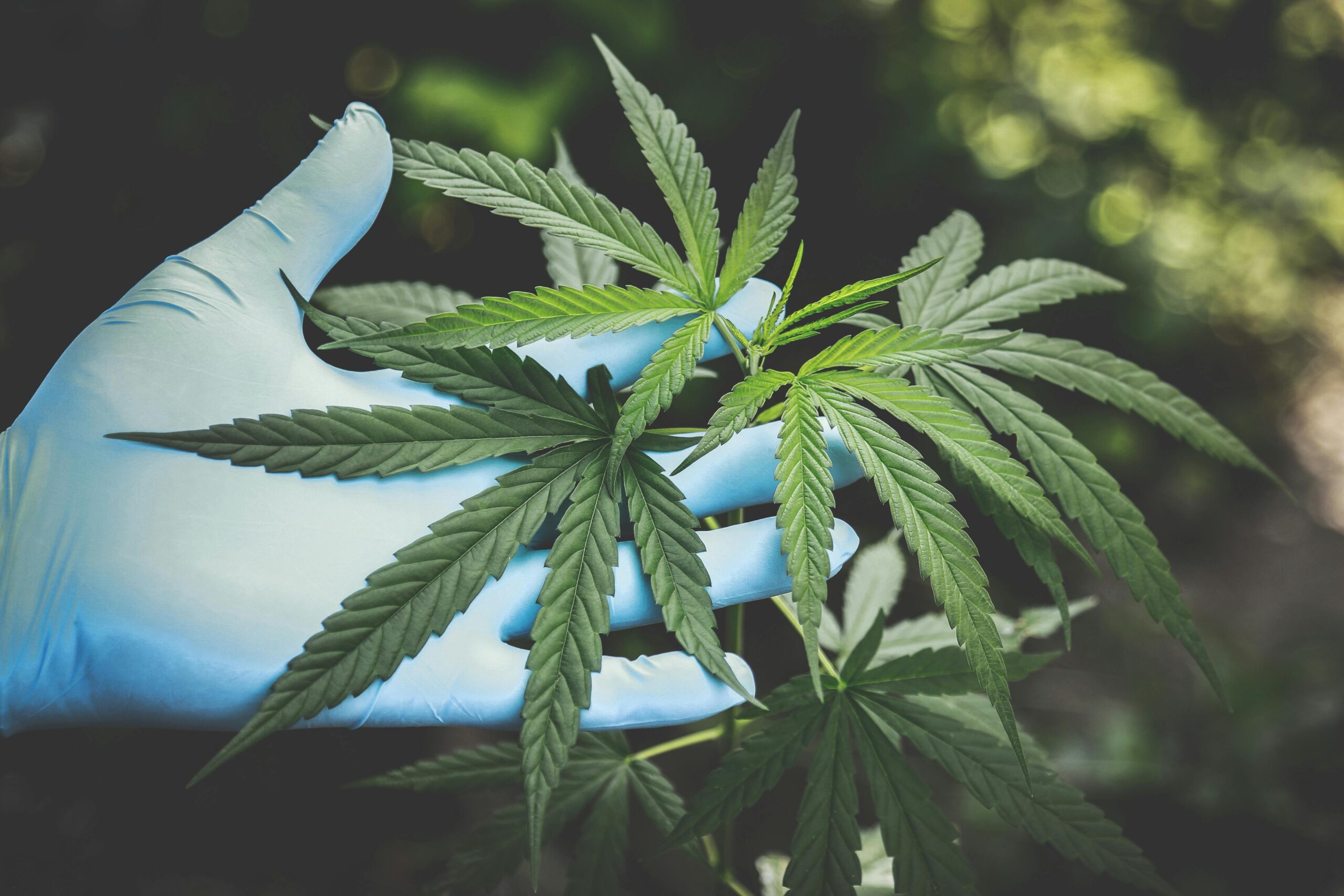
Introduction: Why Grow Cannabis Indoors?
As legalization continues to expand worldwide, more people are exploring the idea of cultivating cannabis in the comfort of their own homes. Growing weed indoors offers privacy, control over conditions, and the opportunity to experiment with strains that suit your personal taste or medical needs. For beginners, it may seem intimidating at first—special equipment, nutrients, and legal considerations all come into play. However, with the right knowledge and setup, anyone can turn a small corner of their home into a thriving mini-garden of cannabis.
This guide will walk you step-by-step through the essentials of starting your first indoor grow, from choosing seeds to harvesting your buds.
Step 1: Understand the Legal Landscape
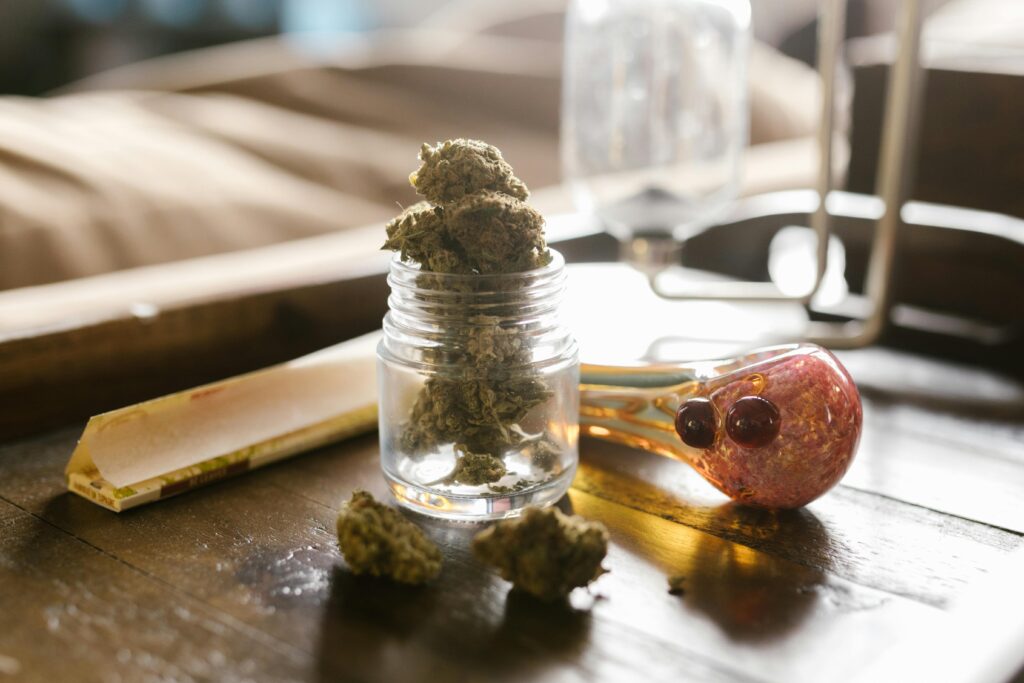
Before you buy your first seed, the most important step is checking local cannabis laws. In many regions, cannabis cultivation for personal use is legal, but restrictions apply—such as the number of plants, secure growing conditions, or medical permits. Violating these regulations can lead to fines or worse. Always ensure you are operating within your local guidelines before investing in equipment or plants.
Step 2: Choosing Your Grow Space
One of the biggest advantages of indoor cultivation is flexibility. Your space can be as small as a closet or as large as an entire room. Popular options include:
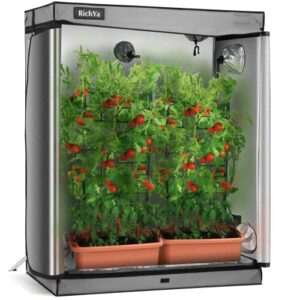
- Grow tents – These self-contained environments come in various sizes, with reflective interiors to maximize light efficiency.
- Converted closets or cabinets – Budget-friendly and discreet.
- Dedicated grow rooms – For advanced growers with more space.
When picking your location, consider:
- Air circulation – Cannabis thrives with fresh airflow.
- Electricity access – You’ll need outlets for lights, fans, and other gear.
- Privacy and odor control – Especially important in shared living situations.
Step 3: The Right Lighting
Light is the single most critical factor in indoor cannabis cultivation. Without sufficient light, your plants will be weak and yield poorly. Options include:
- LED Grow Lights – Energy-efficient, low heat output, long lifespan. Great for beginners.
- HID (High Intensity Discharge) Lights – Traditional but powerful. Includes Metal Halide (MH) for vegging and High Pressure Sodium (HPS) for flowering.
- Fluorescent Lights (CFLs) – Cheap and good for very small grows, but less efficient.
A good rule of thumb: Aim for 30–50 watts of light per square foot of grow space.
Step 4: Ventilation and Climate Control
Healthy cannabis plants need fresh air and stable conditions. Without it, mold, pests, and weak growth can ruin your harvest.
- Fans – Oscillating fans strengthen stems and prevent hot spots.
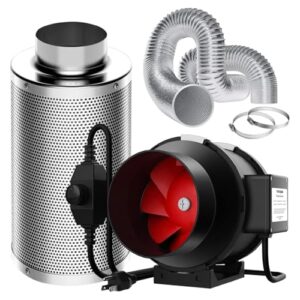
- Exhaust System – An inline fan with a carbon filter removes excess heat and odor.
- Humidity Control – Cannabis prefers 40–60% humidity. Too high encourages mold; too low stresses the plant.
- Temperature – Ideally 70–85°F (21–29°C) during the day, slightly cooler at night.
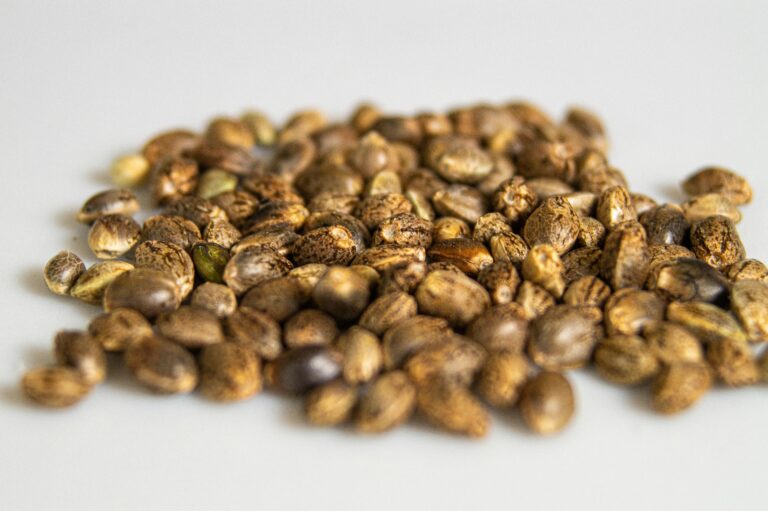
Step 5: Selecting Seeds or Clones
Your choice of genetics determines everything from yield to flavor.
- Seeds – Feminized seeds ensure nearly all female plants, while auto-flowering seeds switch to flowering automatically after a set time, making them beginner-friendly.
- Clones – Cuttings from a mature plant that guarantee the same genetics. They can skip the germination stage, but may bring pests if sourced carelessly.
Consider your goals:
- Indica strains – Short, bushy, relaxing effects.
- Sativa strains – Tall, energetic, cerebral effects.
- Hybrids – Balanced traits of both.
Step 6: Soil or Hydroponics?
Beginners usually start with soil, as it’s forgiving and simple. Choose high-quality soil with added perlite for aeration. Avoid pre-fertilized mixes, as they may harm young plants.
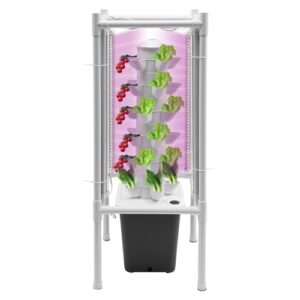
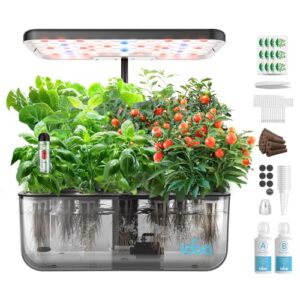
More advanced growers may experiment with hydroponics—growing plants in water and nutrients. While hydro offers faster growth and higher yields, it requires more equipment and precision.
Step 7: Nutrients and Feeding
Cannabis requires three primary nutrients:
- Nitrogen (N) – Vital for leafy growth during the vegetative stage.
- Phosphorus (P) – Boosts bud development during flowering.
- Potassium (K) – Supports overall health and disease resistance.
In addition, calcium, magnesium, and trace minerals are needed in smaller amounts. Nutrients are usually sold as liquid solutions designed for specific stages. Start with half the recommended dose and adjust—overfeeding can cause “nutrient burn.”
Always check the pH level of your water (6.0–7.0 for soil, 5.5–6.5 for hydroponics). Wrong pH prevents nutrient absorption even if your feeding schedule is correct.
Step 8: The Growth Cycle
Understanding the cannabis life cycle is essential:
- Germination (3–10 days) – Seeds sprout roots and tiny leaves.
- Seedling Stage (2–3 weeks) – Fragile phase, requiring gentle care.
- Vegetative Stage (4–8 weeks) – Rapid growth, long light cycles (18 hours of light per day).
- Flowering Stage (6–12 weeks) – Light reduced to 12 hours per day. Buds form and mature.
- Harvest – When trichomes turn milky white or amber, buds are ready.
Step 9: Harvesting, Drying, and Curing
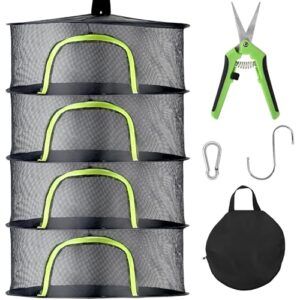
Harvesting at the right time is key to potency and flavor. Cut branches, trim excess leaves, and hang buds upside down in a dark, ventilated space at 60–70°F and 50–60% humidity.
After 7–14 days, buds should feel dry to the touch. Place them in glass jars for curing, opening daily to release moisture. Curing for 2–4 weeks enhances taste, aroma, and smoothness.
Step 10: Common Mistakes to Avoid
- Overwatering – Roots suffocate without oxygen. Let soil dry slightly between waterings.
- Too much fertilizer – More isn’t better. Burnt leaves and stunted growth are common signs.
- Ignoring odor control – A carbon filter is essential for discretion.
- Skipping research on strains – Each strain has unique needs and growth patterns.
Conclusion: Your Indoor Cannabis Journey
Growing cannabis indoors is part science, part art. It requires patience, observation, and willingness to learn from mistakes. With the right setup, even a beginner can produce high-quality buds that rival dispensary products. From seed to harvest, the process teaches valuable lessons about plant care, sustainability, and self-sufficiency.
Whether you’re cultivating for medical relief, personal enjoyment, or simply the joy of gardening, your first successful grow will be a rewarding experience.