What is THCA?
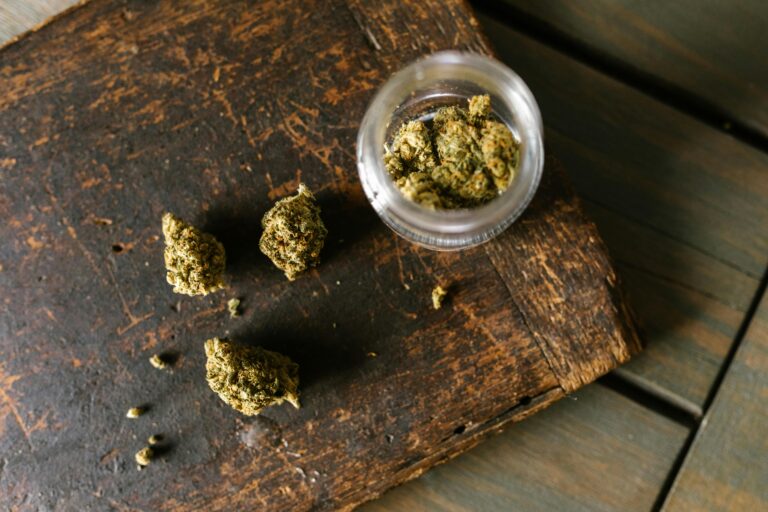
THCA, or tetrahydrocannabinolic acid, is the raw, non-intoxicating precursor to THC. Cannabis plants produce THCA in their natural state, and only when it is heated—through smoking, vaping, dabbing, or cooking—does it convert into the psychoactive compound THC. This process, called decarboxylation, removes a carboxyl group from the THCA molecule, enabling it to bind to receptors in the brain and create the “high” effect.
Because of its molecular structure, THCA itself does not cause intoxication. That makes it particularly interesting for people who want to experience cannabis’ therapeutic potential without the psychoactive effects.
Benefits of THCA
Although research is still in early stages, studies and anecdotal evidence suggest several possible health benefits:
- Anti-inflammatory effects
THCA shows strong promise as an anti-inflammatory agent. It may be beneficial for conditions like arthritis, lupus, and other inflammatory disorders. - Neuroprotective properties
Early findings indicate THCA may help protect nerve cells, offering potential support for neurodegenerative diseases such as Huntington’s disease, Parkinson’s, and Alzheimer’s. - Anti-nausea and appetite support
Like THC, THCA may help reduce nausea. This makes it a potential option for patients undergoing treatments such as chemotherapy, though its non-psychoactive nature can make it more tolerable for some. - Seizure and spasm relief
Preliminary studies suggest THCA could aid in reducing seizures and muscle spasms, giving it potential applications for epilepsy and related disorders. - Digestive support
Research suggests THCA may help with colitis and irritable bowel syndrome (IBS), due to its impact on inflammation and gut regulation.
How to Use THCA
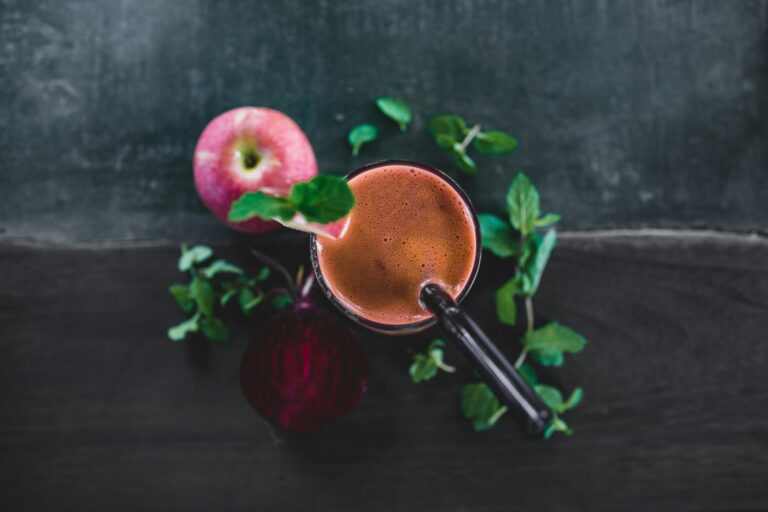
- Raw cannabis: Juicing or eating raw cannabis leaves/flowers allows intake of THCA without intoxication.
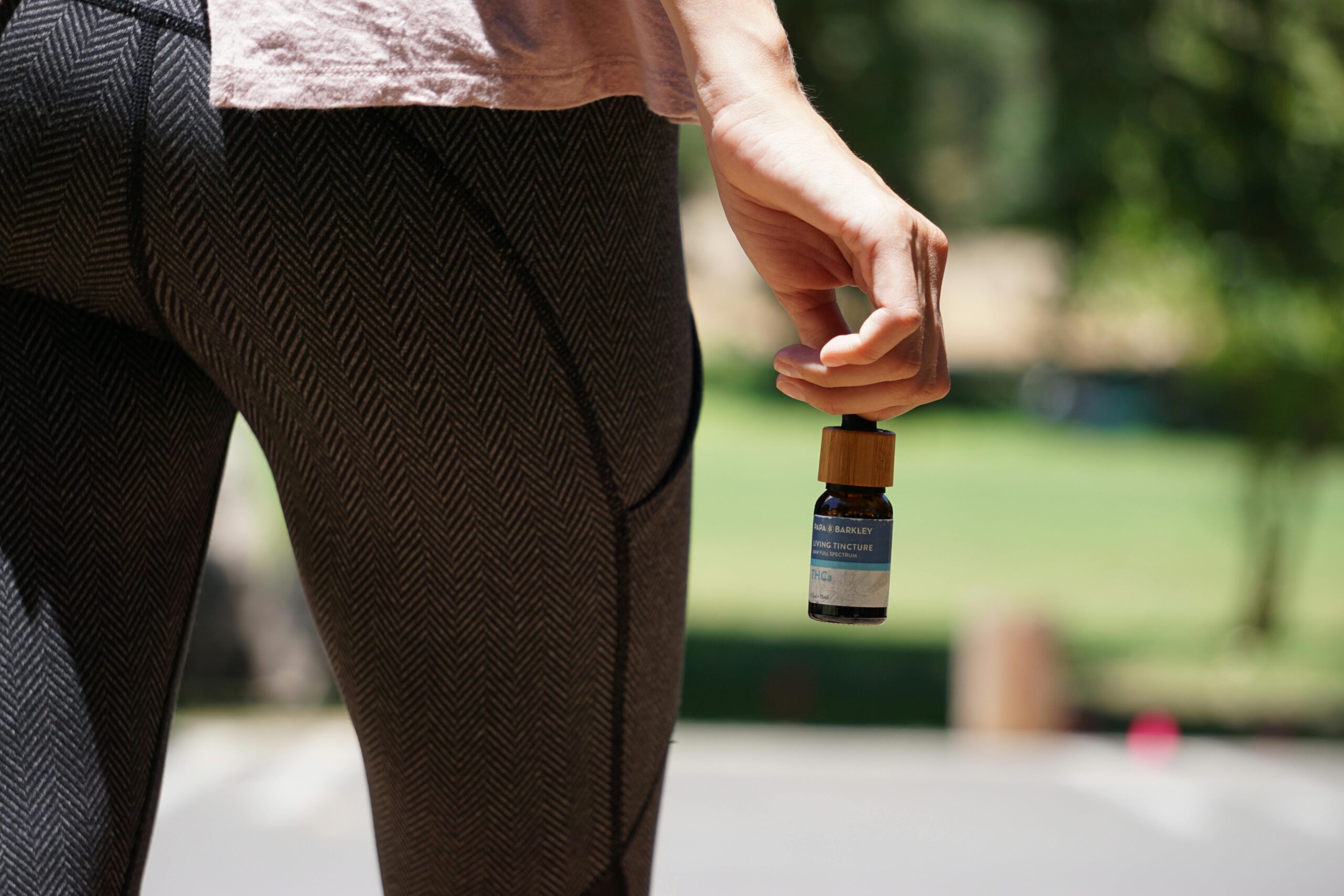
- Tinctures & capsules: Many brands now produce THCA-based extracts for daily use, similar to supplements.
- Topicals: THCA-infused creams and balms can be applied for localized pain or inflammation.
Once heated, THCA converts to THC—so smoking, vaping, or baking cannabis won’t give you pure THCA, but instead the effects of THC.
Key Takeaway
THCA is essentially the “raw” form of THC—it doesn’t get you high, but it may provide a wide range of therapeutic benefits. While more research is needed, early evidence points to potential roles in reducing inflammation, protecting the brain, easing nausea, supporting digestion, and helping with seizure disorders. For people seeking cannabis’ medicinal advantages without intoxication, THCA is an emerging area of interest.